

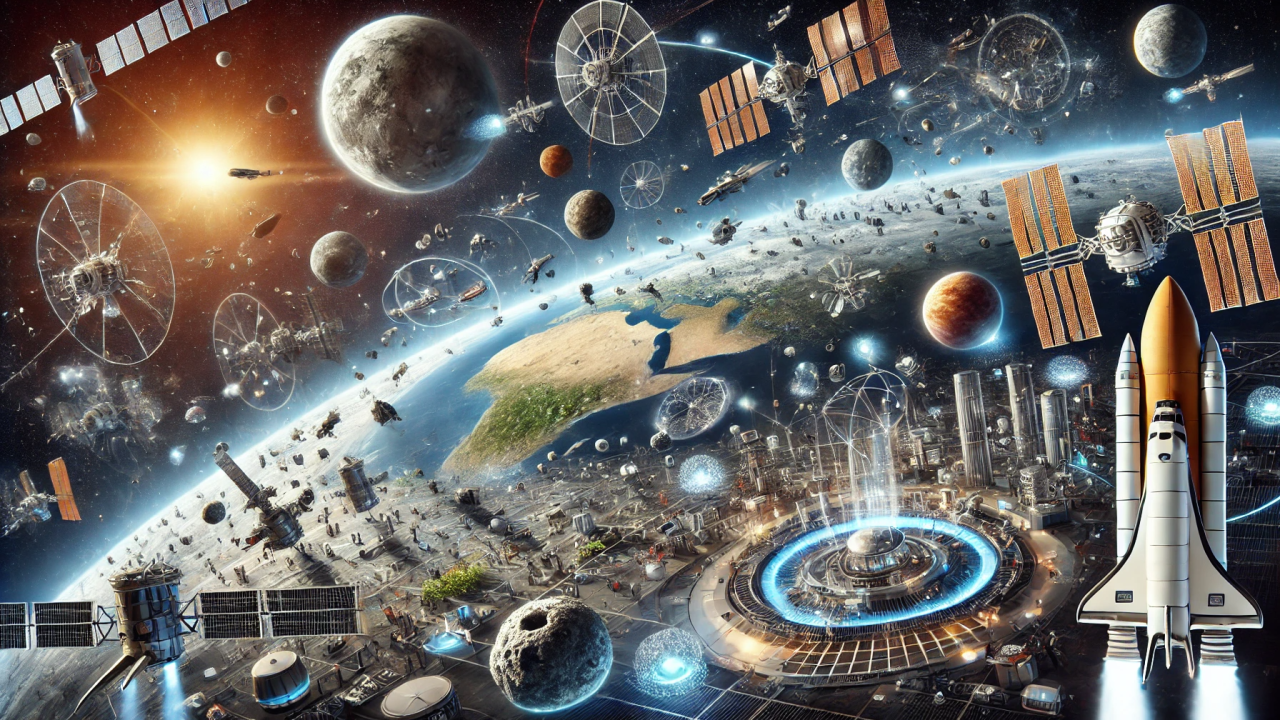
Space technology is increasingly central to global security, scientific discovery, and economic development. Satellites, space-based sensors, and advanced communication systems have become critical for national defense, disaster management, and international diplomacy. Governments, private companies, and research institutions are investing heavily in space technology, recognizing its strategic, economic, and societal importance.
Technology and Global Influence
Advancements in space technology, including satellite constellations, reusable rockets, and autonomous spacecraft, have expanded global communication, surveillance, and research capabilities. These innovations allow real-time monitoring of environmental changes, natural disasters, and critical infrastructure, enhancing preparedness and resilience.
Countries leading in space technology gain significant geopolitical influence. Leadership in satellite navigation, communications, and defense systems enables strategic advantages in diplomacy, intelligence, and economic competitiveness. Technological prowess in space signals national strength, fostering partnerships, international collaborations, and influence in global decision-making.
Politics and Digital Power
Space technology intersects with politics through regulatory frameworks, strategic investments, and international treaties. Governments regulate satellite launches, orbital resource management, and dual-use technologies to balance innovation with national and global security interests.
Strategic deployment of space assets affects defense capabilities, communication security, and international negotiations. Political leaders must navigate global treaties, partnerships, and technological competition to ensure national security while promoting peaceful and collaborative uses of space.
Public Figures and Narrative Shaping
Scientists, astronauts, aerospace engineers, and CEOs of space companies shape public understanding and perception of space technology. Their research, media engagements, and public communication highlight breakthroughs, ethical considerations, and the societal impact of space initiatives.
These narratives influence policy, investment, and public support for space programs. By emphasizing both opportunities and risks, public figures ensure informed discussions about space exploration, global security, and technological progress, fostering responsible decision-making.
Innovation and Economic Transformation
Space technology drives economic transformation through satellite-based services, commercial launches, and space research. Industries such as telecommunications, navigation, Earth observation, and aerospace engineering benefit from innovations in spacecraft, sensors, and propulsion systems.
Investment in space technology creates high-skilled jobs, stimulates research collaboration, and encourages development of cutting-edge materials and automation systems. These innovations often have spillover effects in other sectors, such as robotics, AI, and environmental monitoring, enhancing global economic competitiveness.
Ethics, Media, and Global Change
Ethical challenges in space technology include responsible use of orbital resources, space debris management, military applications, and equitable access to satellite infrastructure. International cooperation and regulation are essential to address these concerns and prevent conflict or environmental hazards.
Media coverage informs the public about technological developments, risks, and benefits. Responsible reporting ensures awareness, promotes ethical debate, and encourages policies that align innovation with global security, sustainability, and societal benefit.
FAQs
How does space technology contribute to global security?
Satellites, sensors, and space-based communication systems help monitor borders, track natural disasters, and support military and humanitarian operations, enhancing national and global security.
Why is space technology important for global politics?
Countries with advanced space capabilities gain strategic, economic, and diplomatic advantages, influencing international agreements and partnerships.
Who are the key figures shaping space technology?
Scientists, astronauts, engineers, and CEOs of aerospace companies lead research, guide policy, and communicate technological breakthroughs to the public.
Which industries benefit most from space technology?
Telecommunications, navigation, defense, research, and environmental monitoring industries gain the most from satellites, spacecraft, and related innovations.
Are there ethical concerns in space technology?
Yes. Issues include space debris, military applications, equitable access, and environmental impacts, requiring careful regulation and international collaboration.
Conclusion
Space technology is reshaping global security, scientific research, and economic development. Its applications in communication, defense, and Earth observation demonstrate the profound impact of technological innovation on international relations, policy, and society.
Looking forward, responsible governance, ethical oversight, and international collaboration will be essential. Nations, corporations, and researchers must work together to ensure space technology promotes global security, sustainable development, and shared prosperity for future generations.
